The place - Monemvasia
Monemvasia a destination that echoes symbolic cousins in
some other parts of the world. Mont St Michel in France and St Michael's
Mount in England also can be reached by a tentative-looking roadway
leading to what otherwise appears as a rock mound, an island
pounded by the surrounding sea, just offshore.
To reach many places in Greece requires a love of winding,
precipitously-edged roads and their careful navigation.
The Peloponnese has few interruptions in this scenario and this is what
makes it so tempting, so continually changing in shape, tempo, geology
and features of interest.
Most routes to Monemvasia, by sea or by road will give pause for gasps
of delight prompted by the visual stimulation, the scenery, nature and -
by land - architecture, archaeology, multifarious windows to the history
of the areas you pass through. But when you arrive on the coast at the
village of Gefyra, ready to cross the causeway to Monemvasia, the rock
is daunting but you see no houses. As you cross you see the original
quarantine hospital on your left and then as you start
to round the rock, you come to the castle wall. Inside, through the
thicker than you ever imagined outer walls - you are in another world.
Perhaps a donkey will be the method of carrying your luggage along
unevenly cobbled streets and passages - you are immersed in
atmosphere of ancient times a place that was safe from attack and
afforded views good enough to thwart any such attempt.
The houses are built next to, above, below almost
inside each other - some extend over vaulted archways across the
streets. The surprising Venetian chimney pots characterize Monemvasia's
largely terracotta tiled rooftops.
There is one tiny main square with its ancient cathedral church to
one side.
How to get there -
Monemvasia
By car or bus:
Most of the time, like most people, you will drive from another part of the
Peloponnese or from Athens or
Sparta, but in the summer there are sea routes
and sailings, cruises and tours which head for Monemvasia.
Connected to Athens and most cities in the Peloponnese by KTEL (long-distance) buses.
By plane:
Kalamata airport (code: KLX) is about 130 kilometres - with many choices of which
route to take - scenic and mountainous or scenic and even more
mountainous! Allow 2.5 hours and more as you will want to enjoy this
trip.
Athens airport (code: ATH), about 285 km (4.5 to 5 hours).
By sea:
Githio in the south, Patra in the northwest and Piraeus (Athens) are main ports of arrival for a trip to Peloponnese and Monemvasia,
between April/May and September ferries to and from the few islands
surrounding this region can be most helpful if you are visiting several
places.
Where to stay - Monemvasia
If you prefer to be inside the castle, right there in
the centre of this ancient and historical landmark then there are
several places clearly signed and visible around the old village,
scattered amongst the ancient buildings. In guesthouses you can enjoy
a unique, if a little "funky",
room; eat in the evening enjoy drinks and take a few steps back to your "home on the rock".
Rooms are expensive for what they offer - you are paying a premium for
the location.
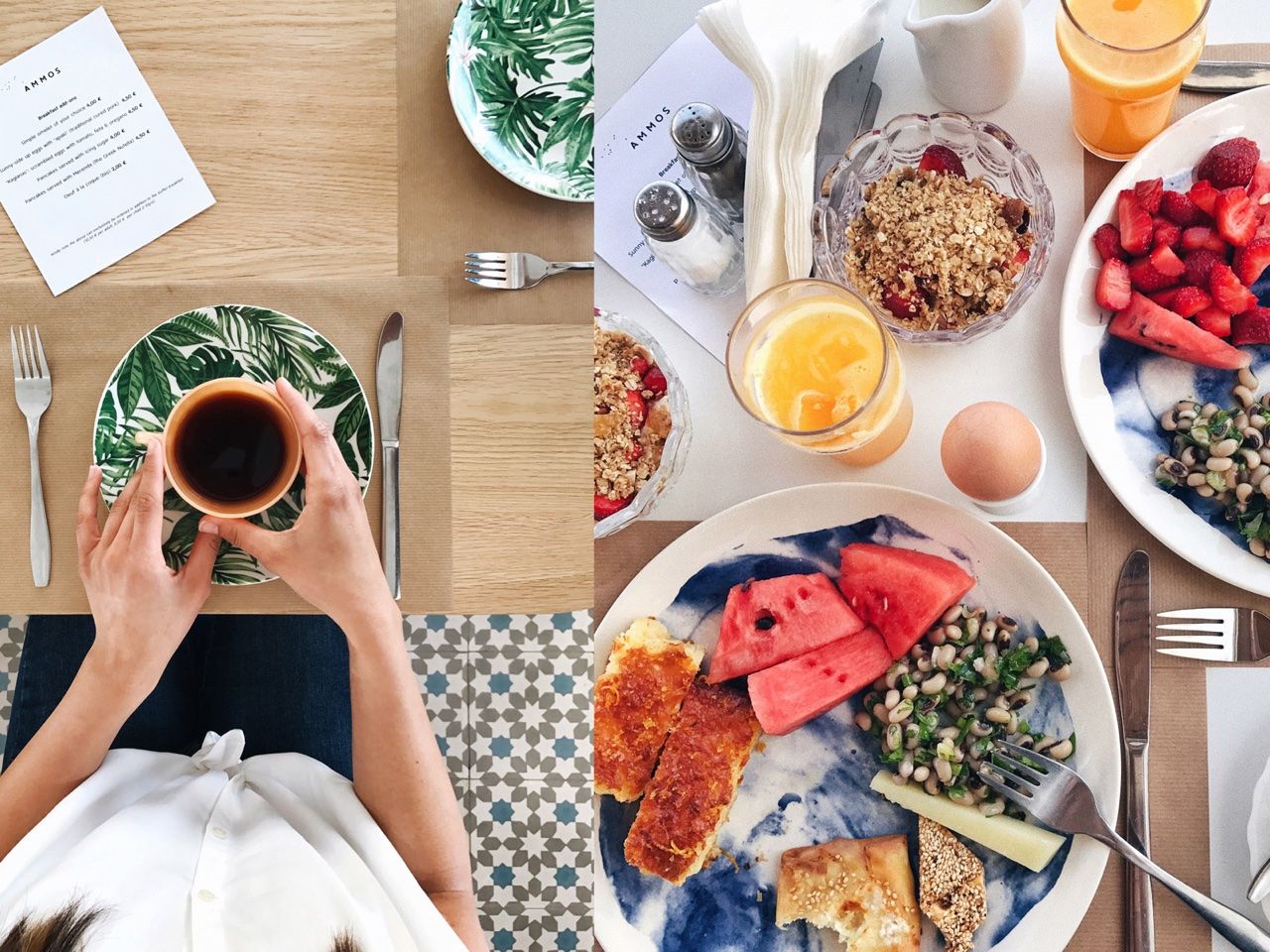
Wake up with a walk up to the church on the top
of the hill and a hearty breakfast or bold cup of coffee before
revisiting the corners of the place and taking a few more photos.
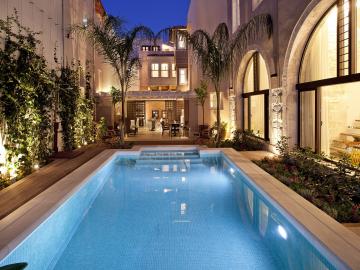
NEW: See our 2 new hotel finds in Monemvasia, Malvasia Hotel and Monopati Apartments.
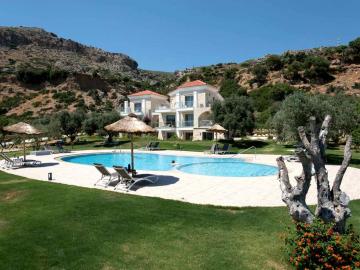
You will find a good choice of small hotels, rooms and studios on offer
at Gefyra (the village at the causeway to the rock of
Monemvasia). One that looks attractive is the "Flower of Monemvasia", on
the road into the village from the north.
What to see/do - Monemvasia
After breakfast, walk up to the church on the edge of
the cliff atop Monemvasia castle and try your hand at throwing a small iron or
steel metal object to the sea (it will be drawn in towards the side of
the hill, never reaching the sea, due to a magnetic field emanating from
the rocks below.
Beaches:
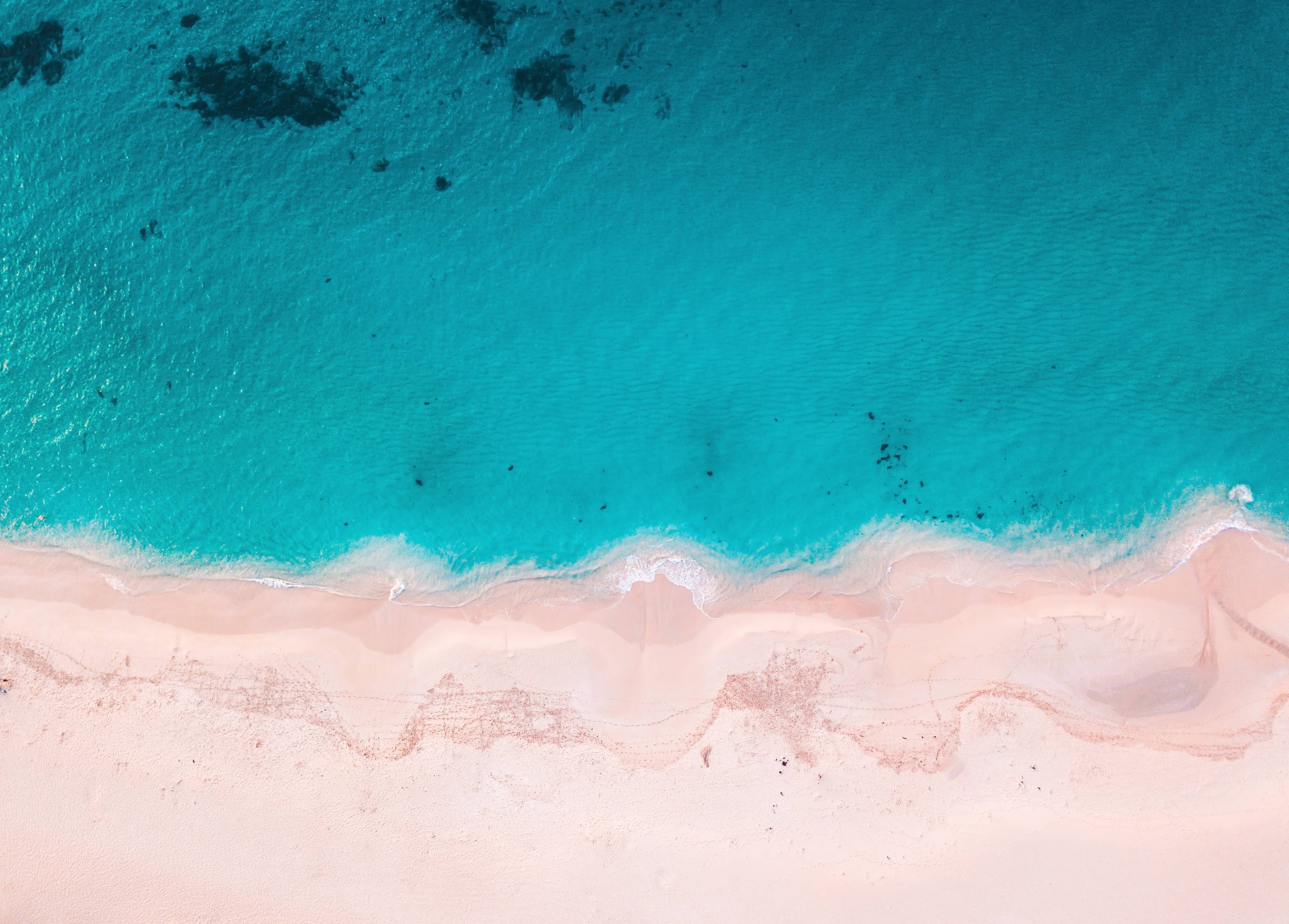
To the north and south of Monemvasia there are beaches 2-3
kilometres from the causeway at Gefyra. Some well liked beaches
slightly further away are at Plytra (20 km) and the stretch from Viglafia
to Neapoli (35 kilomtres) both of which on on the west side of the
peninsula, across from Monemvasia. The island of Elafonisi
has some of the more scenic beaches.
Archaeology:
The Richia Museum of Folklore: Richia, about 25 km from Monemvasia in a
building of 1875, which was the first school in the village. With farm tools,
spinning wheels, clothing and
woven items.
Monastery of the Annunciation of the Virgin and Agios Georgios of Gerakas
near Gerakas village, founded in 19th century.
There are many caves within easy reach:
Kastania - at Kastania Voion (south of Monemvasia before you reach Neapolis).
Vri Cave is north of Monemvasia with a precipice which you can climb
down. You can find the entrance on the south west side and there is a
lake below with crystal clear water.
Read more about sights in
the Peloponnese
Where to eat & drink -
Monemvasia
Best bet if you would like to stay close to base, will
be to choose one of the four tavernas in Monemvasia which appeals most -
or at busier times can seat you soonest!
The tavernas on the seafront, over the causeway, at Gefyra, offer most
acceptable fare at good prices.
There are also two cafes to enjoy.
As there is just one "main" street - only about 200 metres long - you
will find the shops, cafes and restaurants in one stroll through the
castle.
Special Comments -
Monemvasia
Busy and quickly full in the summer, weekends and national
holidays.
Top of page
|

Ancient, historic castle on a rock, the Mont St. Michel of Greece,
tiny old houses and Byzantine churches, caves, reached by causeway,
Peloponnese landmark.
|
|
|
Monemvasia - the rock!
|
|
|
Inside the castle (Kastro)
|
|
|
Square and cafes
|
|
|
The cobblestone
narrow streets
|
|
|
The causeway
|
 |
|
Gefyra town
|
|